

RESEARCH
We use rigorous research to advance science and identify interventions that address the health impacts of structural neighborhood disinvestment.
Current Projects

Measuring the impact of community investments
Life expectancy for Philadelphians living in poor, predominantly Black neighborhoods is 20 years lower than for those in nearby affluent, predominantly White neighborhoods. This large randomized trial tested a suite of environmental and economic interventions to determine the impact of concentrated investment on health, wellbeing, and safety on areas impacted by structural racism.
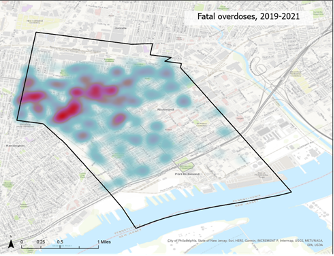
Opioid overdose prevention
The City of Philadelphia has the second highest opioid overdose death rate in the U.S. This study evaluates two unique overdose prevention efforts developed by the city, including an alternative ambulance unit that connects overdose patients directly to treatment and neighborhood environmental interventions. Results show that when neighborhoods are cared for, people are safer — with the various interventions decreasing fatal overdose rates up to 17.6%.
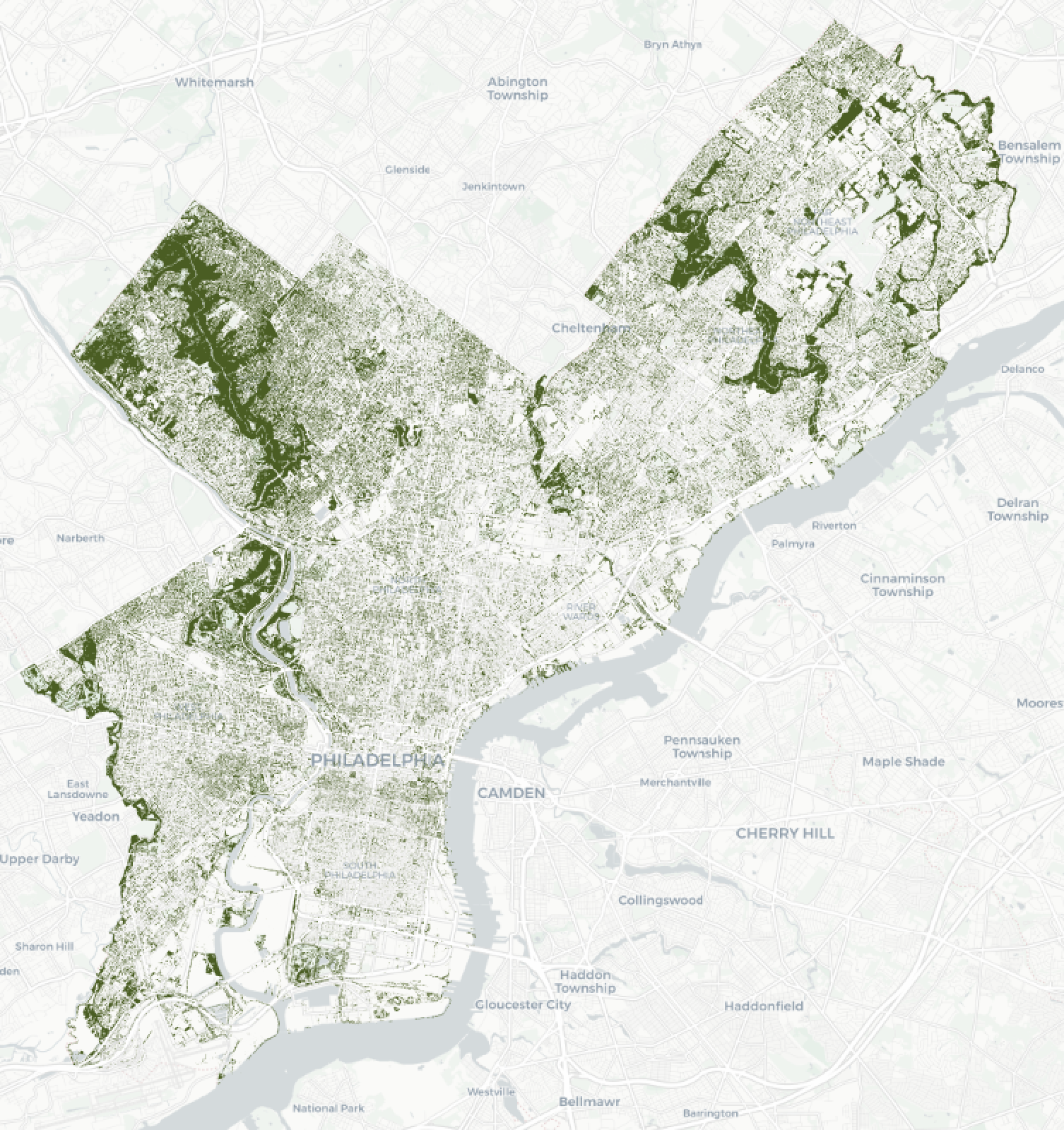
Greening for healthy pregnancy
Green GeoBirth evaluates the impact of neighborhood greenspace on cardiovascular pregnancy and post-pregnancy outcomes. This study crosses electronic health records collected through a birth cohort of 92,000 pregnancies over 13 years and environmental maps and inventories to ask whether living nearer to greenspaces leads to better health.
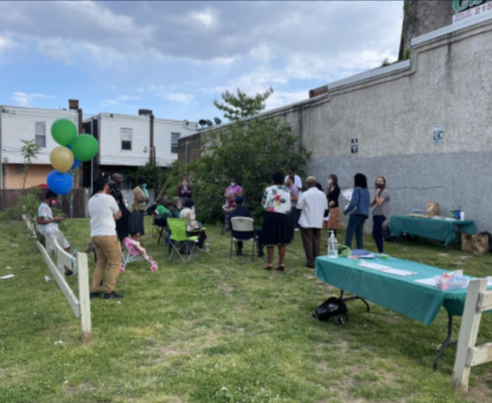
Mental health and the outdoors
Living near and spending time in nature is associated with a host of mental and physical health benefits, but there is limited evidence on how to nudge people to spend more time outside. The goal of this study is to increase the amount of time people spend outside in nature and determine the impact on mental health and wellbeing.