In the United States, hypertensive disorders of pregnancy (HDP), a group of conditions that affect the heart during and after pregnancy, affect up to 20% of pregnant women and is a leading cause of maternal death and illness. Large racial disparities exist in both HDP and maternal mortality. Identifying strategies to prevent HDP would have a significant impact on reducing persistent Black-White disparities in both maternal mortality and longterm cardiovascular disease.
The role of neighborhood environments in shaping health is understudied and represents a potential way to address HDP and chronic hypertension (cHTN). Neighborhood conditions, including physical disorder, residential segregation, and violent crime, have been associated with adverse pregnancy outcomes, including HDP. Greenspace (e.g., tree canopy, parks) represents a potentially health-promoting aspect of the neighborhood environment and has been linked to improved perinatal outcomes, including lower preterm birth rates.
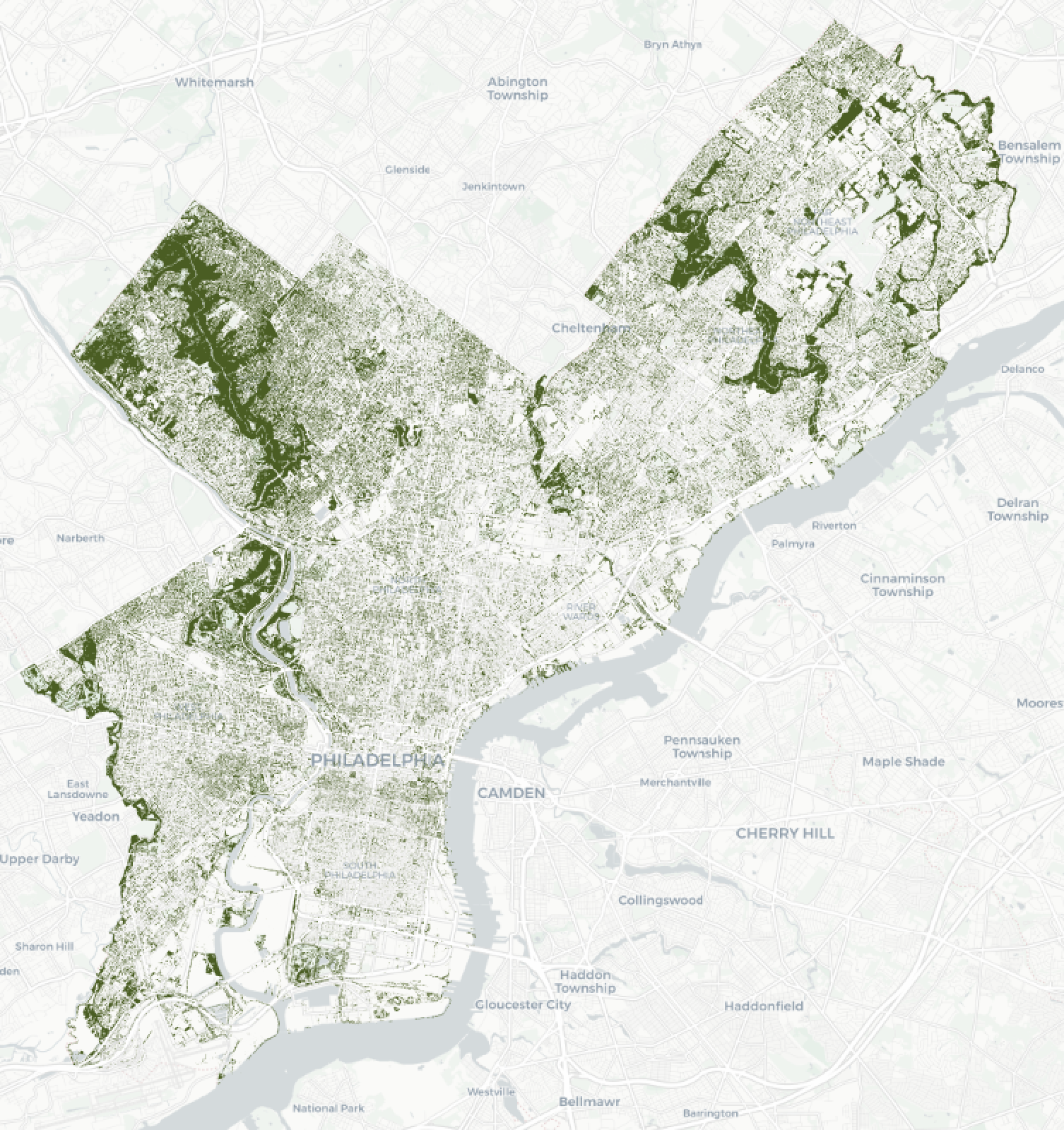
Green GeoBirth evaluated the impact of neighborhood greenspace on cardiovascular pregnancy and post-pregnancy outcomes. This study leveraged both electronic health record data collected through a birth cohort of 92,000 pregnancies over 13 years with administrative environmental maps and greenspace inventories to ask whether living nearer to greenspaces leads to better health.
We are in the final stages of data analysis and expect multiple publications on the results.
As cities are increasingly investing in greening initiatives, this research will help determine whether these investments can serve as effective tools for advancing maternal health equity and improving outcomes for future generations.
PI: Heather Burris, MD, MPH; Eugenia South, MD, MS
Funders: National Institutes of Health (NIH)